

GZU Council induction workshop opens with call for active governance and commercialisation
The Deputy Minister of Higher and Tertiary Education, Innovation, Science and Technology Development, Honourable Simelisizwe Sibanda, has called on the Great Zimbabwe University (GZU) Council to prioritise regulatory compliance, strengthen corporate governance and accelerate the commercialisation of research outputs.
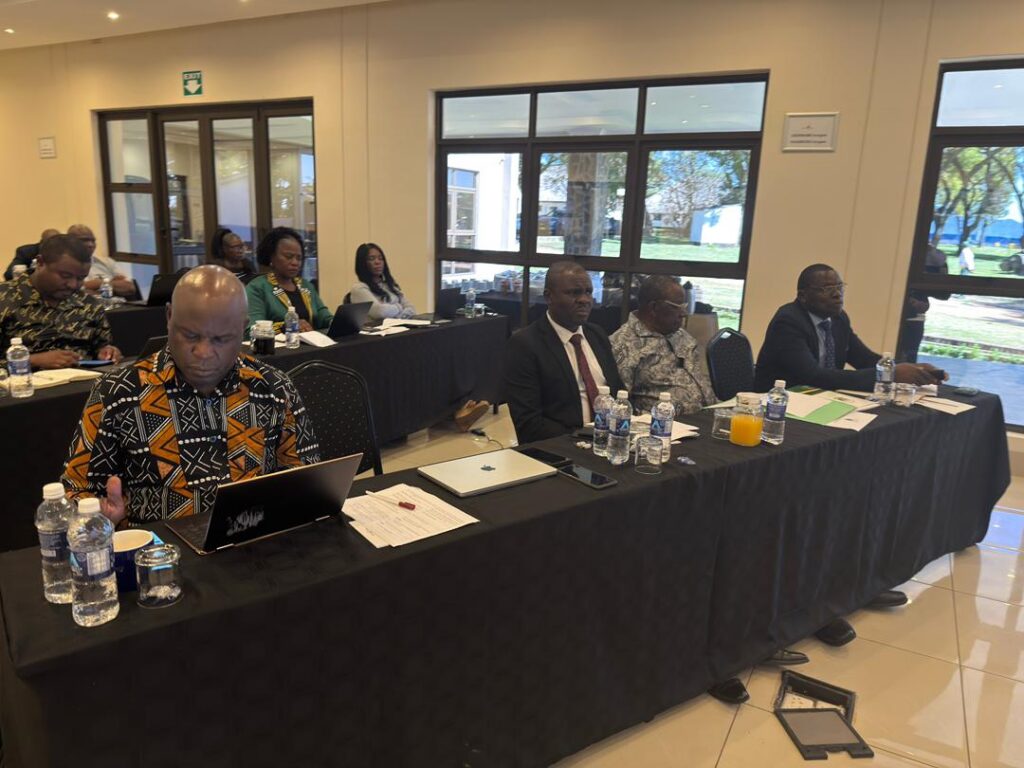
Honourable Sibanda delivered the opening remarks on behalf of the Minister, Honourable Ambassador Dr Frederick Shava, at the GZU Council Induction and Corporate Governance Training Workshop at Great Zimbabwe Hotel, running from May 4 to 6.
He said the induction programme is intended to define the roles and responsibilities of council members and align their work with Vision 2030 and the National Development Strategy 2.
Honourable Sibanda said GZU’s 2026–2030 strategic plan aligns with government policy frameworks, but added that its impact will depend on the quality of leadership and governance.
He said university operations are governed by statutory instruments and the Public Entities Corporate Governance Act, and cautioned against departures from government policy.
“Universities are not run outside government frameworks,” he said.
The Deputy Minister said councils must provide active oversight and not function as ceremonial bodies.
“Councils must be strategic and ethical, providing oversight, ensuring accountability and driving performance,” he said.

He outlined three priority areas: stewardship and accountability, strategic leadership, and collaboration.
On stewardship, Hon. Sibanda said public institutions must account to taxpayers through transparent operations and measurable results.
He said councils should position universities to respond to developments in areas such as artificial intelligence, space science and industrial innovation, in line with the Education 5.0 framework.
He also called for closer links between universities and industry to ensure that graduates meet labour market needs and that research outputs are usable.
“The public expects to see tangible outputs,” he said, adding that commercialisation is now an economic imperative.

The Deputy Minister urged the council to develop a commercialisation strategy, put in place dedicated business development structures and ensure that university enterprises are viable.
He said institutions should broaden income streams beyond tuition fees.
On institutional development, he said the ministry expects GZU to expand infrastructure and strengthen its heritage-based mandate through science, technology, engineering, arts and mathematics programmes.
He said the ministry will support the institution but expects results from the council.
“Council members are custodians of national assets and must deliver outcomes that contribute to Zimbabwe’s development,” he said.
In his welcome remarks, GZU Council Chairperson Professor Mandivamba Rukuni said the council is responsible for governance, institutional relevance and quality education. He said Council were the key custodians of quality education at GZU.

During the opening session, the Vice Chancellor, Professor Rungano Zvobgo presented the university’s mandate, outlining progress in the shift towards science, technology and innovation.
The workshop ends on May 6 and covers corporate governance, strategic alignment and institutional performance.