Kadoma Summit strengthens accountability and governance systems

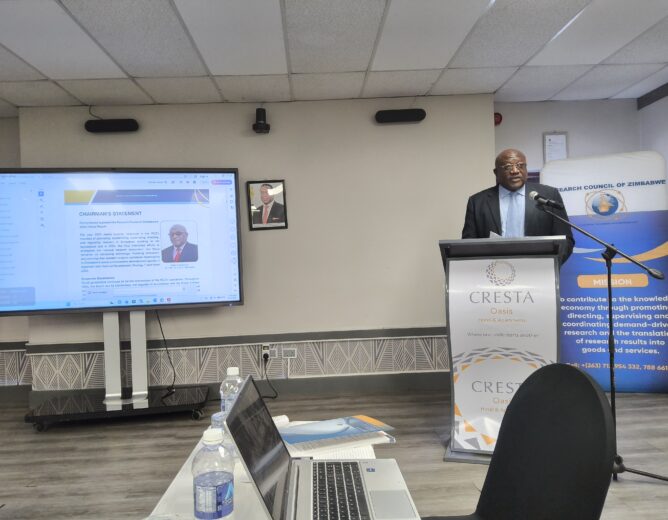
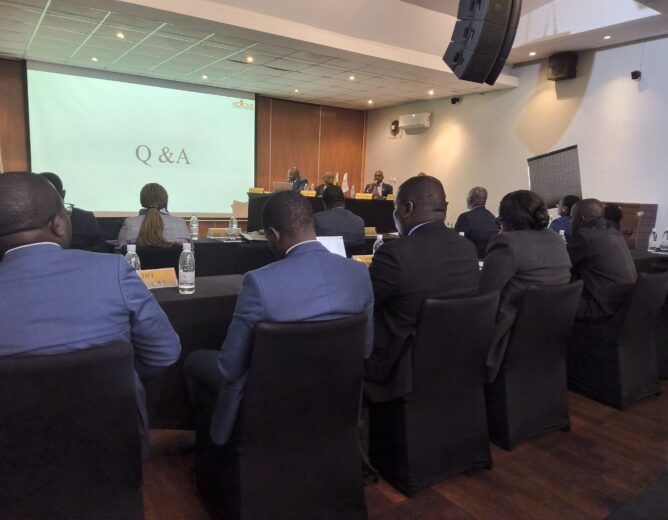
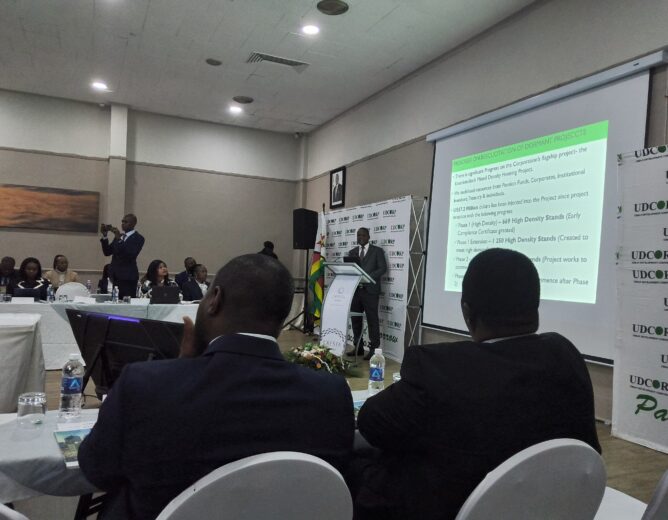
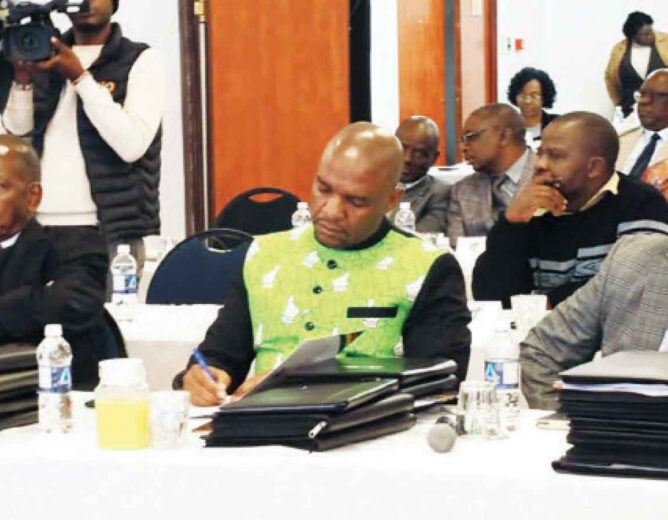
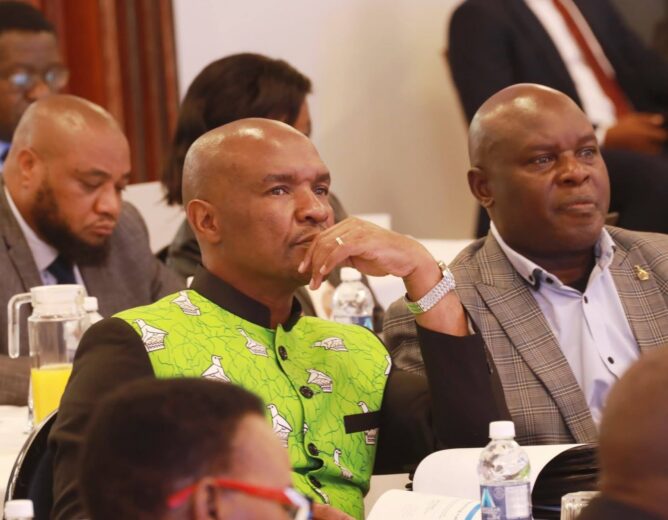
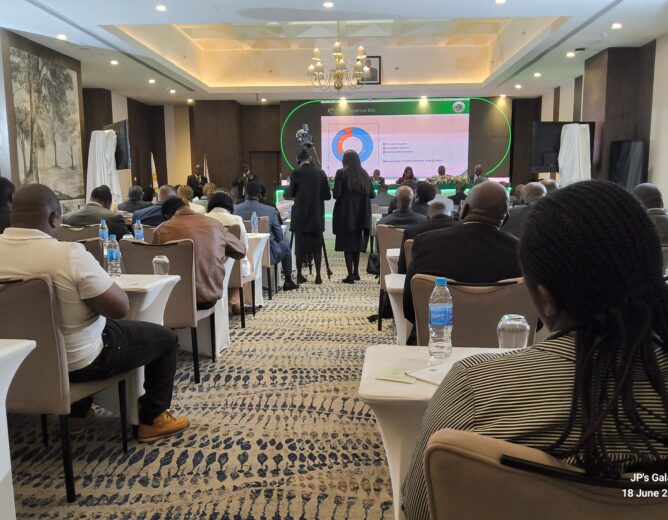
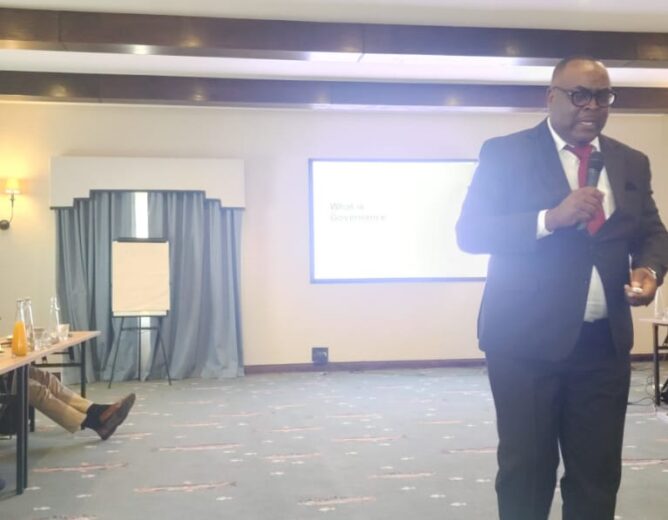
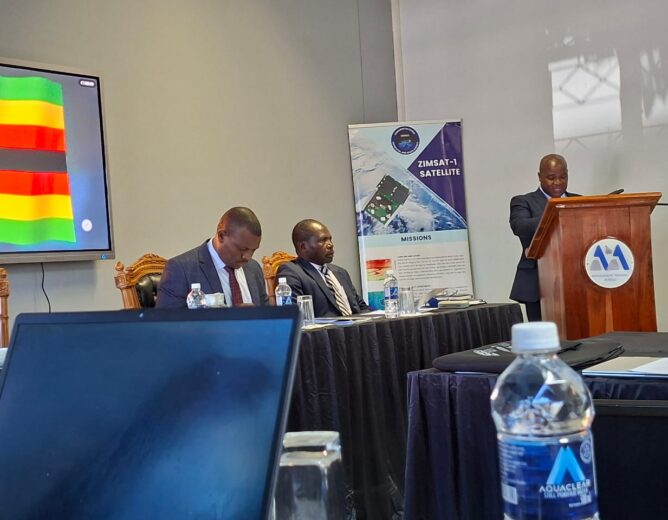
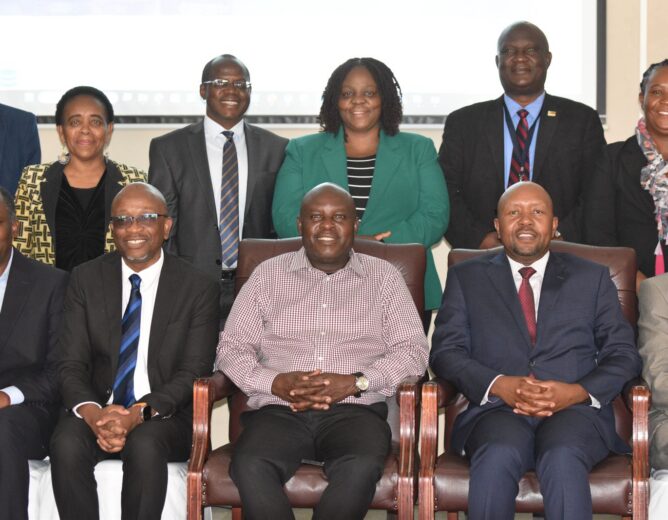
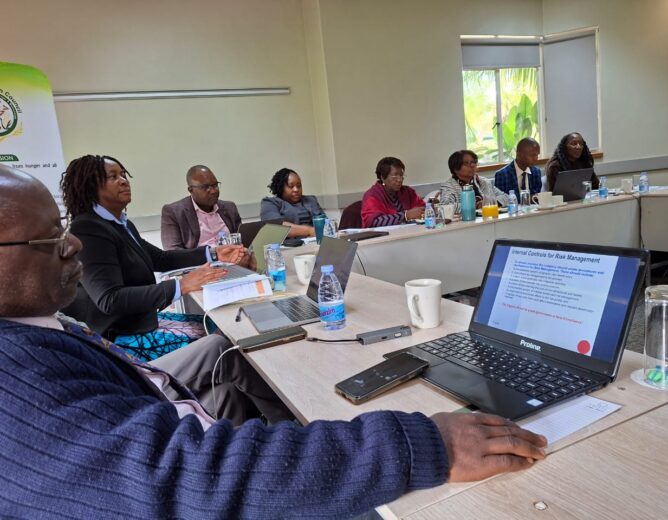
THE Institute of Internal Auditors Zimbabwe convened a high-level engagement in Kadoma, bringing together senior government officials and representatives of parastatals to strengthen good governance systems in line with the country’s development agenda. The two-day meeting is focusing on enhancing transparency, accountability and risk management across public institutions, with internal audit professionals playing a central role in safeguarding public resources. Organisers and participants are interrogating existing governance frameworks and sharing best practices aimed at improving service delivery and institutional efficiency. “This platform allows us to align our operations with global best practices while addressing local challenges. It is key in improving performance, strengthening internal controls and enhancing accountability within state enterprises. We are also capacitating auditors to provide independent assurance that adds value to governance processes,” Institute of Internal Auditors Zimbabwe’s Chief Executive Officer, Mr Mayepudzo Mbira said. “As organisers, we are deliberately creating a platform for knowledge exchange and professional collaboration. This engagement ensures that auditors and board members are equipped with the latest tools and insights to strengthen governance systems, manage risk effectively and uphold ethical standards across public institutions,” board member of the Institute of Internal Auditors Zimbabwe, Mr Tafireyi Nyamazana added. Government officials have underscored the need for robust oversight mechanisms, noting that sound financial management systems are critical in driving sustainable economic growth and public confidence. “Good governance is the backbone of national development. From a media perspective, there is a need for accurate, transparent and responsible reporting that reflects the true state of affairs within institutions. Strengthened internal controls and audit systems complement the media’s role in promoting accountability and informing citizens on how public resources are being utilised,” Chief Director in the Ministry of Information, Publicity and Broadcasting Services, Dr Jonathan Gandari said. “Through the Corporate Governance Unit, we are reinforcing the importance of strong internal audit functions as a key pillar for good governance. Our mandate is to guide, monitor and evaluate compliance with governance frameworks across public entities, ensuring they operate with integrity, accountability and in full alignment with Vision 2030 aspirations,” Permanent Secretary, Corporate Governance Unit (CGU) in the Office of the President and Cabinet, Mr Allen Choruma added. The engagement comes at a time when Zimbabwe is intensifying efforts to achieve an upper-middle-income society by 2030, with emphasis on prudent financial management, institutional reforms and strengthened oversight systems. Story by Tamuka Charakupa

Read more

CGU Advances Public Sector Digital Governance with CGMIS Training

The Corporate Governance Unit (CGU) is intensifying efforts to modernise public sector oversight through a training programme for Line Ministry Corporate Governance Focal Persons running from 27 to 30 April 2026. The workshop brings together representatives from across Government to strengthen capacity in performance management, reporting, and the use of the Corporate Governance Management Information System (CGMIS) — a key digital platform designed to enhance accountability and decision-making. Opening the programme, Secretary (Head) CGU, Mr. Allen M. Choruma, highlighted the critical role of digital systems in driving efficient, transparent, and results-oriented governance within public institutions. Participants are undergoing practical training on CGMIS, focusing on data capture, system navigation, and performance reporting, while also engaging with frameworks such as Integrated Results-Based Management (IRBM) and performance contracting. The training builds on a previous phase that targeted State Enterprises and Parastatals, State Universities, and Independent Commissions, marking a continued nationwide rollout of the system. With a strong emphasis on digital transformation and emerging technologies, including artificial intelligence, the programme reflects Government’s broader push to strengthen institutional performance and service delivery through innovation. The initiative underscores CGU’s commitment to embedding a culture of accountability and evidence-based decision-making across Zimbabwe’s public sector    

Read more

Zimbabwe International Trade Fair 2026, official opening

The 66th edition of the Zimbabwe International Trade Fair 2026 reaches its highlight on Thursday, April 23, 2026, with the official opening ceremony in Bulawayo. The ceremony is set to be presided over by the President of the Republic of  Botswana, Duma Boko, underscoring the strong regional cooperation and economic ties within Southern Africa. Thursday’s proceedings mark a significant moment in the trade showcase, bringing together government leaders, industry executives, investors, and exhibitors under the theme “Connected Economies, Competitive Industries.” The official opening serves as a platform to highlight Zimbabwe’s commitment to industrial growth, trade expansion, and regional integration, while also showcasing innovation and investment opportunities across key sectors of the economy. The day is expected to feature high-level engagements, networking opportunities, and exhibitions that reinforce the fair’s role as a catalyst for economic development and international collaboration.

Read more

Council Induction and Corporate Governance Training (MUAST)

The Corporate Governance Unit (Unit) successfully conducted a Council Induction and Corporate Governance training for Marondera University of Agricultural Sciences and Technology (MUAST) Council and their senior staff members at Management Training Bureau (MTB) in Harare during the period 13 to 15 April 2026. The workshop was held in terms of the Public Entities Corporate Governance Act [Chapter 10:31] (PECG Act) Section 6(1)(a) and (f) and (2). The Unit commends the efforts being carried out by the Council members that will go a long way in rallying staff towards a common direction to execute the mandate of the Commission efficiently and effectively. The programme went on well as expected and it was characterised by intense brainstorming and interaction which gave participants a full understanding and comprehension of the topics. The objectives of the programme were: To induct the MUAST Council Members and Senior Staff members on selected topics to ensure their proper functioning and effective delivery of their mandate through good corporate governance best practices. To ensure role clarity among the line Ministry, the Council and Senior staff members. To ensure that the Council holds its meetings effectively. To conduct proper performance contracting and Integrated Results Based Management (IRBM). To train on various other topics covered by the programme. The Unit commends the MUAST Council for conducting the induction programme at the earliest possible time as the Council Members were recently appointed. This gave them the opportunity to understand the provisions of the statutes and set boundaries.

Read more

Board Induction and Corporate Governance Training for Attorney General`s Office

The Corporate Governance Unit (CGU) has successfully conducted a Board Induction and Corporate Governance Training for officials from the Attorney General’s Office in Mutare, as part of its ongoing efforts to strengthen governance frameworks and enhance institutional effectiveness across public entities. Held in Mutare, the training brought together board members and senior officials, providing a strategic platform to deepen their understanding of core corporate governance principles, roles, and responsibilities. The programme focused on key pillars of governance, including accountability, transparency, compliance, and ethical leadership within the public sector. Participants were also introduced to modern governance tools and systems designed to improve oversight, decision-making, and reporting standards. Through interactive presentations, case studies, and discussions, attendees actively engaged with practical scenarios while sharing experiences, fostering a collaborative and insightful learning environment. The programme also incorporated a team-building component aimed at strengthening cohesion and collaboration among board members and staff. The session was well received and provided a strong foundation for enhancing teamwork and institutional synergy. This initiative underscores CGU’s continued commitment to building capacity within public institutions and ensuring that boards are well-equipped to effectively discharge their mandates. The Mutare training marks another significant step in promoting a culture of good governance, professionalism, and service excellence within the Attorney General’s Office.   The training also introduced participants to modern governance tools and systems, with a focus on improving oversight, decision-making, and reporting standards. Through interactive presentations and discussions, attendees were able to engage with practical scenarios and share experiences, fostering a collaborative learning environment. This initiative underscores CGU’s commitment to building capacity within public institutions and ensuring that boards are well-equipped to discharge their mandates effectively. The Mutare training marks another step forward in promoting a culture of good governance, professionalism, and service excellence within the Attorney General’s Office

Read more

Board Induction and Corporate Governance Training for DPC

The Director of Training, Mr. Wititi, facilitated the proceedings of the DPC Board Induction and Corporate Governance Training, aimed at strengthening institutional leadership, accountability, and strategic alignment within the organization. During the programme, Mr. Wititi delivered a comprehensive presentation on the Overview of Integrated Results-Based Management (IRBM). He emphasized IRBM as a key vehicle for development planning and implementation, critical to the realisation of Vision 2030 through the effective execution of the National Development Strategy 2 (NDS2). His presentation equipped board members and staff with a deeper understanding of results-oriented management and the importance of aligning organisational performance with national priorities. In addition to the technical sessions, Mr. Wititi also led an interactive team-building exercise for DPC board members and staff. The session was well received and created an environment that encouraged collaboration, trust, and unity. It provided essential building blocks for strengthening teamwork and enhancing working relationships within the institution. The training programme marks an important milestone in reinforcing sound corporate governance practices and building institutional capacity within DPC, positioning the board and staff to effectively deliver on their mandate.

Read more

CGMIS Pre-Launch Meeting

The CGU team trained the Ministry Focal Persons on the CGMIS system that is yet to be launched in December 2025. The meeting was a success and it took place at the Cresta Lodge in Msasa on the 18th of November 2025.

Read more

Development of Guidelines on Mainstreaming Gender in State Enterprises and Parastatals (SEPs)/Public Entities

The overall objective to the development of gender mainstreaming guidelines is to guide public entity Boards, Management, and line Ministries officials on gender mainstreaming in public entities across the country. More specifically the guidelines will; Support Public entities boards, management, and line Ministries officials in mainstreaming gender in public entities. Equip public entities and government officials with skills needed to contribute to the achievement of gender equality through their daily work. Act as a resource kit for officials in applying the principles of gender mainstreaming in their daily work and present the elements of gender mainstreaming in their daily work and present the elements of gender mainstreaming in a simple and understandable manner.

Read more